Do Dogs Know You’re Leaving When You Start Packing?
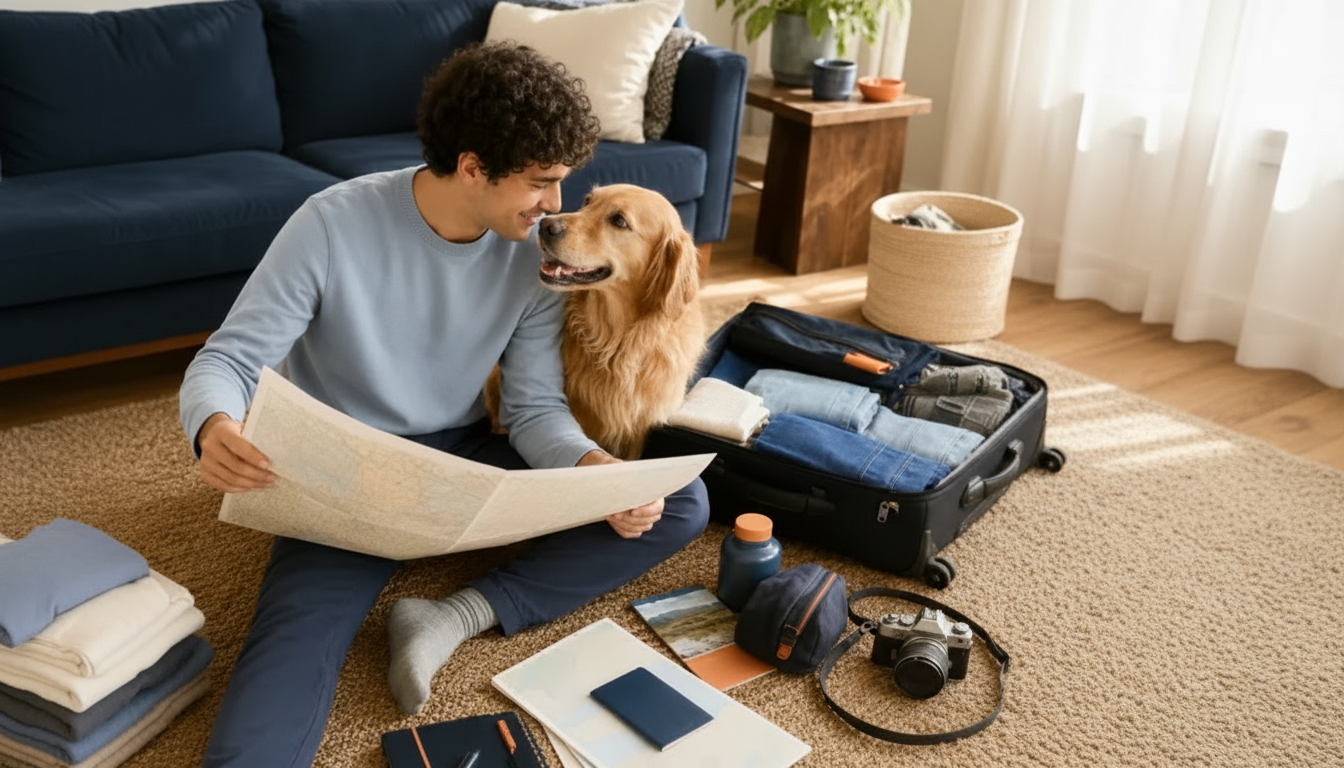
Does my dog know I’m leaving when I’m packing?
Many dogs do seem to “know” you’re about to leave when you start packing, even if you haven’t picked up your keys yet. It’s not mind-reading—it’s pattern recognition. Dogs are excellent at noticing small, repeatable routines that reliably predict what happens next.
Why packing is such a strong clue for dogs
If packing has often been followed by you leaving for hours or days, your dog learns that suitcases, folded clothes, toiletry bags, and moving items around the house are meaningful signals. Over time, those signals become cues that trigger anticipation—sometimes excitement, sometimes worry.
What signs show your dog has connected the dots?
Common signs include shadowing you from room to room, staring at the suitcase, whining, pacing, panting, yawning more than usual, or suddenly becoming extra clingy. Some dogs also “offer” behaviors that previously earned attention, like bringing toys, sitting in your path, or jumping on the bed where you’re packing.
Is it separation anxiety or just routine awareness?
Not every concerned-looking dog has separation anxiety. A dog can simply be reacting to a familiar pre-departure routine. True separation anxiety is more intense and typically shows up when the dog is alone (or thinks they’re about to be), with behaviors like destructive chewing at exits, persistent howling, drooling, or attempts to escape.
How to make packing less stressful
Try breaking the “packing = goodbye” link by taking the suitcase out at random times, packing a little early, and leaving it out without departing. Keep your behavior calm and matter-of-fact, and reward relaxed behavior near the suitcase. If your dog escalates into panic, talk to a veterinarian or a qualified trainer—early support can make a big difference.
For a deeper look at why dogs notice these cues and how to handle departures more smoothly, visit the main article.
FAQ
How can I help my dog stay calm when I leave the house?
Build a predictable, low-drama routine: a short potty break, a simple cue, and a safe enrichment item. Practice brief departures and gradually increase time away so your dog learns that leaving is normal and returning is reliable.








Leave a comment