Timberland Ankle Boots: Waterproof or Just Water-Resistant?
Are Timberland ankle boots waterproof?
Some Timberland ankle boots are waterproof, but not all of them. Timberland makes both fully waterproof styles (built with sealed seams and waterproof membranes) and water-resistant or non-waterproof options intended more for everyday wear. The only reliable way to know is to check the specific product’s label and features rather than assuming every pair can handle heavy rain or puddles.
How to tell if a specific pair is waterproof
Look for “Waterproof” in the product name or description and confirm it mentions details like seam-sealed construction, a waterproof membrane, and a gusseted tongue that helps block water entry around the laces. Many waterproof Timberland models also list a waterproof leather upper and a waterproof-treated lining. If a listing only mentions “premium leather” or “water-resistant,” that’s a different level of protection and may not keep feet dry in sustained wet conditions.
What “waterproof” means in real-world use
Even genuinely waterproof Timberland ankle boots can leak if water comes in from the top (for example, stepping into water deeper than the boot collar) or if the boot’s waterproofing is compromised by wear and tear. Long-term exposure to saturated conditions, cracked leather, or failing seam seals can reduce performance over time, especially if the boots aren’t cleaned and conditioned.
How to maintain water protection
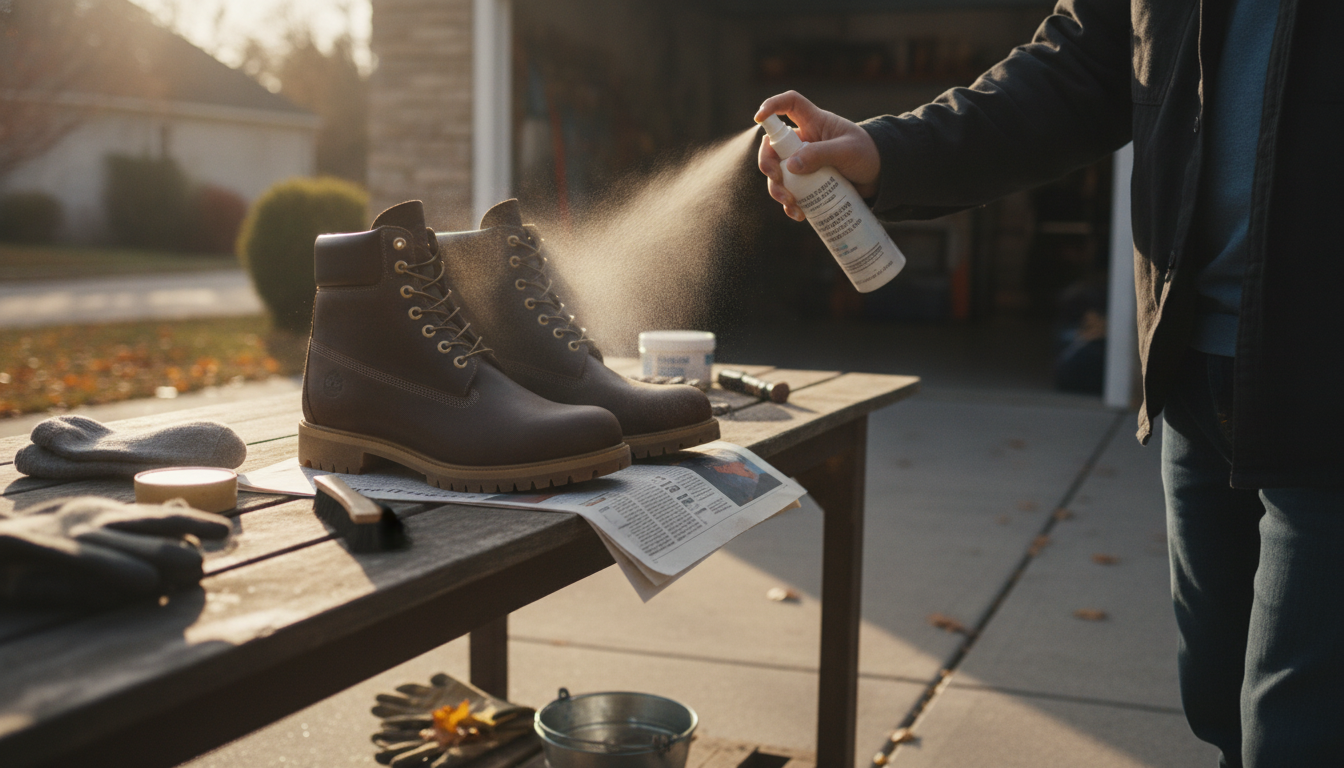
Keep boots clean so the materials can repel water properly, and reapply a compatible waterproofing treatment when recommended for your boot’s upper (leather, nubuck, or fabric). Also, replace worn laces if they wick water inside and make sure the tongue sits correctly to avoid gaps.
For model-by-model guidance and what to look for before buying, visit the full breakdown here: https://fabdealshall.shop/are-timberland-ankle-boots-waterproof/.
FAQ
How do you waterproof Timberland boots at home?
Clean and dry the boots first, then apply a waterproofing spray or wax that matches the upper material (nubuck/suede sprays differ from smooth-leather waxes). Let them cure fully before wearing in wet weather, and reapply periodically as the finish wears off.






Leave a comment